Packing equipment is the spine of any manufacturing industry. The use of automated and semi-automated equipment has changed the way products are packed, protected, and delivered. It is beneficial and is worth understanding how packing machines operate, then optimizing the packing operation is a relatively simple process and a more efficient way to operate.
Packing machines are automated and semi-automatedmechanical systems designed to perform operations with little manual input.These systems perform filling, sealing, wrapping, labelling, and palletizingproducts within their containers.
The aim of the machines is to increase productionspeed and consistency while reducing the cost of manual labor, as well as,maintaining the integrity of the products. Closing the packing operation loop.
The integration of PLCs, servo motors, touchscreenHMIs, and, when useful, AI, is the nature of modern packaging equipment forflexibility and precision. Leading manufacturer of packaging machine invest continuously to offersolutions to changing industry and sustainability challenges and to packdiverse products.
The Development of PackagingAutomation
The transition from manual packaging to complete automation is an industrial revolution in itself. For decades, most of thepackaging work was done by human workers, and the process was frustrating andimpractical, usually requiring dozens of workers to fill units, seal and closethem, and stage them for shipment. This manual process was slow, expensive, andpresented risks due to human error and contamination.
The first quarter of the 20th century was the firsttime there was mechanized packaging. At first, the technology was quite simplewith machines that performed only one unit operation, such as capping bottlesor sealing cartons. But as the technology improved and demand for moresophisticated equipment steadily increased, the machinery began to be moreversatile and better integrated into entire production lines.
Today’s packaging systems are the result of manyyears of engineering. Packaging systems have sensor technology for qualitycontrol, automation and control systems for precise control of movement, andinterface real-time control and integration with enterprise resource planningsystems (ERPs). Because of these advancements, packaging and manufacturingcompanies can achieve levels of improvement, efficiency, consistency andtraceability like never before.
Core Functions and Operations
There are numerous packaging functions andmachining systems designed for different purposes. Packaging systems have manycore functions of systems designed for manufacturing. Recognizing these opsdoes goes a long way in aiding one appreciation these systems value in amanufacturing set up.
Filling operations is often one of the bottom-linefunctions. Filling machines dispense a set amount and are able to preciselycontrol and measure the volume that is filled in a container. There aredifferent filling. Mechanisms machine that are designed for each type ofproduct. Liquid fillers can use volumetric, and weight based, or piston systemswhile for powdered fillers we have systems comprising of screw augers,volumetric vacuum chambers, or net weighers. Modern Jumbo bag filling machines are designed primarily to fill in bulk. Dustcollection, vibrating intake, compaction mechanisms and weight systems aredesigned to ensure accuracy of the fill. These machines with their enclosuresystems, safety, efficiency and accuracy control weight a few hundred kilogramsto optimize fill for each bag.
Sealing and closing operationshelp in keeping packets and products secure. Different types of sealers offerunique benefits based on packaging material and application. These include heatsealers, induction sealers, ultrasonic sealers, and mechanical closers. The heat-sealingprocess also safeguards the contents of the packets from moisture, oxygen, andother contaminants that can compromise the quality of the products.
Wrapping and bundling functionsoffer protective layering around products, and packaging multiple items in asingle container in preparation for transportation. Heat shrinkable films areused in heat shrink wrappers. They are designed to tightly wrap around theproducts. Stretch wrappers, on the other hand, are used to wrap and securemultiple products on a pallet for easy transportation. These methods not onlyserve the protective function but also offer aesthetically pleasing andmarketable packaging.
Labelling and coding operationsinvolve the application of information that is important to the package and thecontents of the pack. These include company and product branding, nutritionalinformation, batch and expiry dates, and inventory barcodes. Currently, high-speedand automated regulators are able to perform printing and labelling to recordinformation legibly in record time.
Types of Packaging Machines byApplication
The high demand for packaging products has resultedin the need for specialized machinery. There is a wide range of speciallymachinery that is optimized for specific containment, materials, and therequirements of the different industries.
Form-fill-seal (FFS) machines consist of an all-in-one design where packaging material iscreated, filled, and sealed in a single step utilizing flat rolls. Thereare vertical form-fill seal (VFFS) machines that arebetter suited for lightweight items that are granular, like snacks, powders orproducts, and there are also horizontal form-fill seal(HFFS) machines that perform better with heavier, bulky items likecandy bars or medical devices. These machines are designed for efficiency andare able to optimize production with very little material and labor waste ascompared to the rest of the industry.
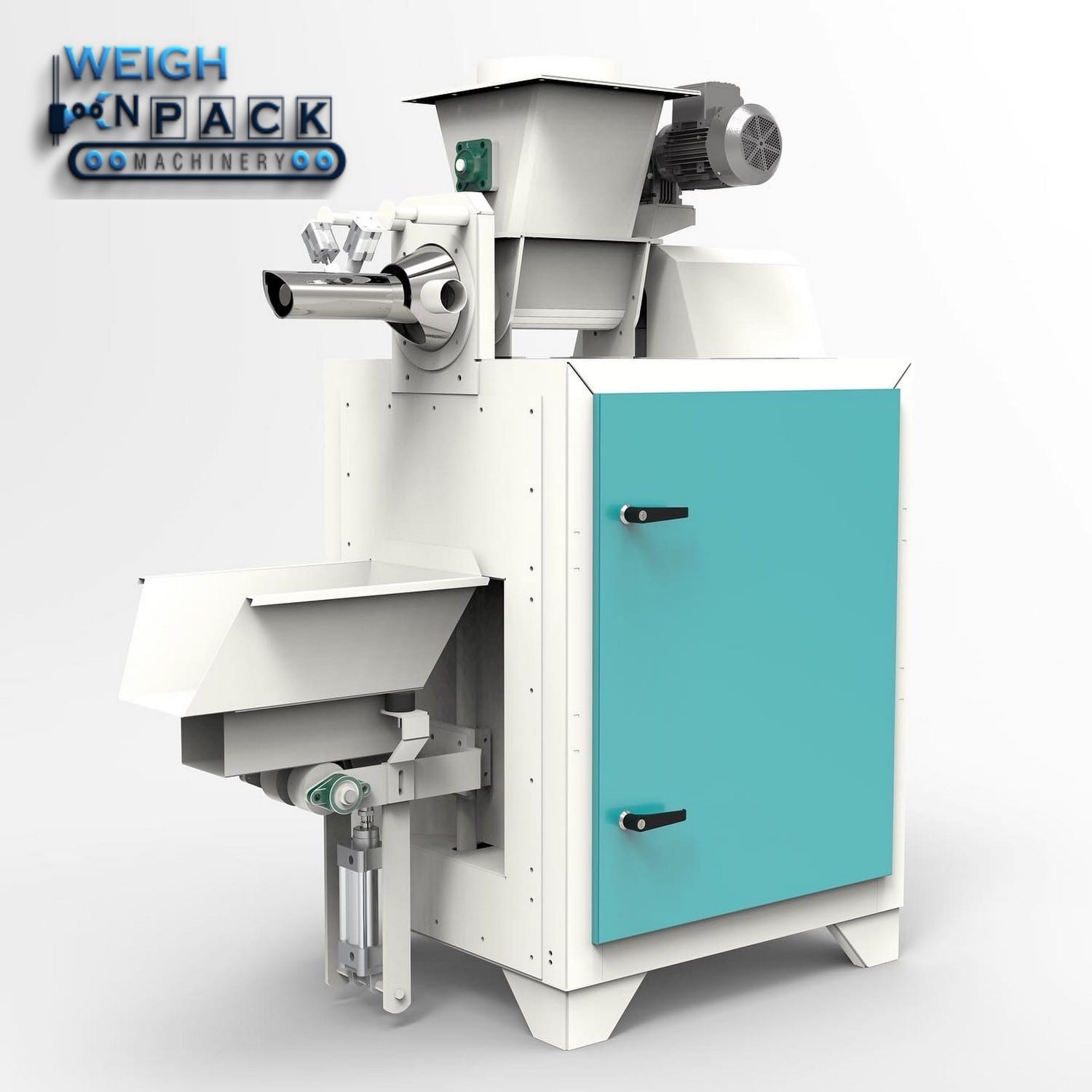
Bagging and sacking equipment fills products into various types of bags. An example of this isa paper valve bag filling machine that is designed towork with cement, chemicals, pet food, and any other materials that arefree-flowing or semi-flowing. This machine is designed to fill bags through avalve that seals itself after filling due to the internal pressure of the product,thus eliminating the need to seal the bag afterwards. This valve bag system isa popular design in the industry because it has a unique balance of fillingspeed and dust control, and also provides better stacking stability forindustrial and construction materials.
Beverage, pharma, and personal care packagingsystems are almost all multidisciplinary systems withrinser, fillers, cappers, and labelers working in concert. Advanced systemsalso include inspection systems for missing fill levels, inadequate captorques, and out of position labels to assure only acceptable products enterthe next packaging step.
Packaging systems for plastic and foil blisterpacks are omnipresent in pharma, as well as in manyconsumer products. Their design forms cavities in a plastic sheet, inserts aproduct, and seals the unit with a cardboard backing. This design protects theproduct, prevents tampering with the device, and extends the product's shelflife, all while allowing the product to be viewed.
The automation of the 'erection' of corrugatedboxes, product loading, and the closing and sealing of containers fordistribution is the domain of Case Pack and Carton-ClosingEquipment. This type of machinery can be in moderation of design cartonstyle; and in many instances is integrated with packaging machinery upstream toprovide a 'complete' end of line solution.
Material Handling and ProductVersatility
There are few industries where the packagingmachinery is as advanced as in the packaging of consumer products. This istruly the result of innovation in engineering design, as also seen in themachines that pack products of differing viscosity, partical size, andtemperature sensitivity.
When it comes to packing liquids, we need to thinkabout a few things, like temperature, viscosity, and foaming. When it comes tothings like water, we may need a different packing approach compared to saucesand pastes. Also, we need to think about how to keep the carbonation intact indrinks while we seal them and fill them.
Dust generation, electrostatics, and particlesegmentation make packing powders and granular products a unique challenge. Weneed to make sure our machines keep the product quality while reaching thedesired fill weight. We can do this by using vibrator feeders, anti-statictools, dust extractors, and gentle handling systems that work well together.
Sometimes we need some advanced feeding systems forstrangely shaped products that need to be orientated in a specific way. We cando this using vision systems and robotics. In addition, we need to make sure weprevent collision of these products to keep the fragile items intact without aspeed reduction.
The machine design is affected by the earthlypackaging materials we choose. We can use films, containers, paper, glass, ormetal. Each packaging material has different they need to be sealed and formed.We can ensure the packaging machine systems fit perfectly to the products byworking with a professional.
Levels of Integration and Automation
When it comes to packaging operations, the optionsgo from fully manual to fully automated. Different facilities find the bestmethod for them on that spectrum, taking both the costs of investment and theefficiencies of operations into account.
Manual packaging stations. Workers at the stations do the majority of the tasks required topackage a unit, with the occasional aid of a simple tool that performs one ofthe steps. While manual operations cost the least to set up, they are the mostlabor intensive, generally take the most time to complete, and can result in asignificant amount of error.
Semi-automated systems. Participants in the processes are still able to add in the stepsof moving a product into the package, setting the package into a box or tub,and doing a quality check. These systems stay in the middle lane of theinvestments vs. operational efficiencies, but offer some improvement inconsistency and production rate compared to manual methods. Fully automatedlines can be a much larger investment.
Fully automated packaging lines. These systems feature units that are able to do processes on the packaging equipment. A whole line of packaging equipment can be interconnectedto a control unit that coordinates the packaging of a unit from raw product to finished, packaged product with little human contact. These systems get themost investment with advanced features that control sections of the lines with the aim of eliminating downtime.
Robotic Integration is the most advanced form of automation in the industry today. Vision systems allow industrial robots to accomplish advanced tasks such as selective random picking, automated product placement, case packing, and palletizing. Robots are flexible because their software can be changed to different products and different packaging styles without significant hardware changes.
Quality Control and Compliance Considerations
Food, pharma, and cosmetic packaging automation have to be efficient, but because of the highly regulated industry, packaging must also comply with very demanding quality and safety regulations.
Weight Verification Systems in the form of checkweighers or the integration of scales ensurethe right product is in the right package and eliminate units that are under oroverweight to protect all parties of the packaging from short-fill wastecomplaints.
Vision Inspection is atype of automation where cameras and document image processors verify theplacement of labels, the seals are intact, no components are missing, and allthe items in a package are complete, the right codes and dates are present, andno foreign objects are in the package. Inspection is done without contact, athigh speeds and exhaustively as all items from the production are 100%inspected.
Metal Detection and Xray Inspection are also critical quality control systems, especially in foods where the packaging must meet a high degree of safety and where unintentionalcontamination can have a critical impact on quality, brand image, and consumersafety.
Modern packages record and save data needed to comply with regulations on the manufacture of medical devices and for other regulatory agencies such as the FDA and GMP. This equipment stores and retrieves data on selected parameters for each batch and every cycle so that a picture of the equipment operation and the data to be entered in a set of documents are provided.
Economic and Operational Advantages
Purchasing modern equipment for packaging already shows great benefits that will pay off the purchase in the short and long run.
Near the top of the list of benefits is the take-off and increase in productivity. There is noautomation of packaging processes manually – employees are less and less ableto pack a product at the required speed. In each individual cycle of apackaging line, hundreds or thousands of product packages can be repacked in amulti-fold, which clearly exceeds the speed of hand packaging.
Increased productivity is complemented by the fact that the company can use employeesthemselves for more valuable work, transferring them to tasks such as qualityprocessing, equipment care, or improvement of the process. This motivatesemployees and reduces the burden of routine tasks.
More consistency and quality comes from the elimination of human effort. Each piece ofequipment operates, completed a cycle, and repeats the operation as many timesas needed. Each packaging cycle is performed with filling, sealing, andlabeling quality control.
Waste Reduction Automatedsystems manage product dispensing and material usage; they help achievesustainability goals by minimizing overfills, material waste, and product losswhile improving margins.
Increased Safety Packagingsystems protect operators from engagement with risky machines, preserving theirsafety while allowing production to continue unhindered.
Production Insights Modernequipment analyzes and records information on various aspects of productionthat help further a company's improvement efforts and meet traceabilitystandards.
Maintenance and Lifecycle
Maintenance of packing equipment should focus onvalue, establishing both preventive and life-cycle management. Programs helpcontrol anticipated maintenance actions with respect to manufacturerguidelines, operational hours, and breakdown data in order to avoid maintenancebacklog and breakdown-based maintenance.
Predictive maintenance utilizes operational data to detect and preempt equipmentfailures. Finite element, acoustic, and optical sensors must allow maintenanceteams to solve problems in a planned preventive maintenance window, rather thanbreaking in to emergency maintenance.
Operator training isimportant as employees should know the right way to operate the equipment, theright way to troubleshoot, and when they need to call someone for technicalhelp. With the right training, employees will be able to reduce the lossescaused by improper use of the equipment, and be able to fix the issue quicklythemselves. This will help reduce the negative effects of downtime.
Spare parts inventory management finds a careful balance between the costs of holding onto crucialspare inventory and the risks of having a prolonged downtime due to a missingspare part. Because of this reason, a lot of facilities keep stockpiles ofspare parts that wear out frequently and critical assemblies, while having torely on the manufacturers for the spare parts that are more specialized.
Technology upgrades areable to improve the performance of equipment without having to replace theentire equipment with a more modern version. Improvements to control systemsand other more modern add-ons such as options for advanced sensing, bettertools, and more refined processes will allow the older equipment to gainadditional modern features. This means that the older equipment remains usableand the capital that will be spent on replacing it will be protected.
Conclusion
Traditional manufacturing relies on packaging machines, as they allow the firms to quickly and efficiently satisfy the customer demand based on delivery speed, consistent quality, and safety. These machines vary from the specialized types such as the jumbo bag filling machine which is able to fill large quantities of raw materials, to the more precise paper valve bag filling machine that is used for filling industrial products. The current available equipment has packaging machinery that has been designed to meet the current requirements of the market.
Whether looking for a first-time investment in packaging automation or evaluating current systems for an upgrade, working with a seasoned packaging machine equipment manufacturer, can provide proven technology, application experience, and continued support. With ongoing sustainability pressures, workforce shifts, and changes in consumer packaging, it will be automation packaging systems, enabling operational productivity and providing a competitive edge across industries.